Calm Coordination at Home

Welcome! Today we explore Family Admin Playbook: Calendars, Chores, and Shared Responsibilities—a practical, compassionate approach to running a household like a supportive team. We’ll pair simple structures with humane flexibility, so schedules feel freeing, tasks feel fair, and everyone understands how to contribute. Expect relatable stories, field-tested routines, and tiny experiments you can start this week without expensive tools or complicated systems. Tell us what already works for your crew, drop a question you’re wrestling with, and subscribe for weekly checklists and gentle prompts that keep momentum going.

Make Time Visible for Everyone

Shared schedules stop being stressful when they are visible, reliable, and agreed upon. This approach turns vague intentions into clear plans, freeing you from endless reminders. We’ll set conventions for naming events, include travel time, and color by person or category. Whether you love paper or apps, the goal stays the same: a single glance that tells the day’s story.

Chores That Feel Fair—and Get Done

Fairness comes from clarity, rotation, and voice. When everyone helps design the system, follow-through improves because expectations feel chosen, not imposed. We’ll create right-sized tasks, align them with natural rhythms, and add simple accountability. Most importantly, we’ll protect dignity: no re-doing someone’s work unless you’ve coached beforehand, and no silent resentment when something slips—just a reset and another try.

Design by Energy, Not Just Time

Match tasks to real energy curves: mornings for focus, afternoons for movement, evenings for low-brain resets. Pair physically lighter chores with screen breaks, and heavier ones with music. Let kids choose between two options; autonomy reduces pushback and teaches planning better than lectures.

Rotate, Trade, and Rescue

Rotate responsibilities on a predictable cadence to prevent unfair buildup. Allow trades with advance notice to practice negotiation and empathy. Create a rescue rule for tough weeks—one ask for help, no judgments. Families thrive when flexibility and reliability are balanced with care.

Short Rituals That Keep Everyone Aligned

Rituals turn coordination into connection. Brief, predictable touchpoints reduce the mental load and keep surprises kind. We’ll use gentle scripts that spotlight wins, surface risks early, and assign owners without blame. Even two reliable minutes can calm mornings, ease transitions, and prevent evening spirals. In one busy household, a tiny timer and a bowl of grapes turned the Sunday review from nagging to shared laughter.

Tools, Automations, and Gentle Nudges

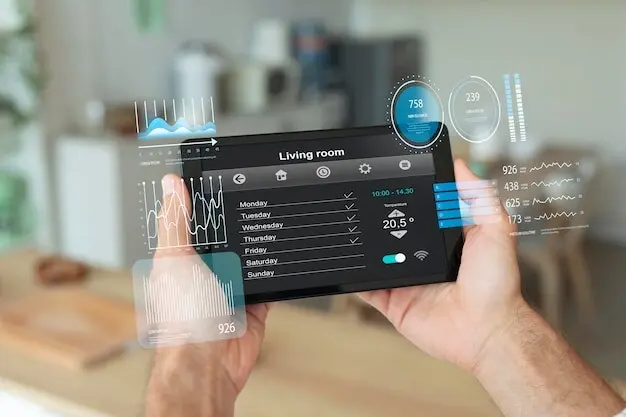
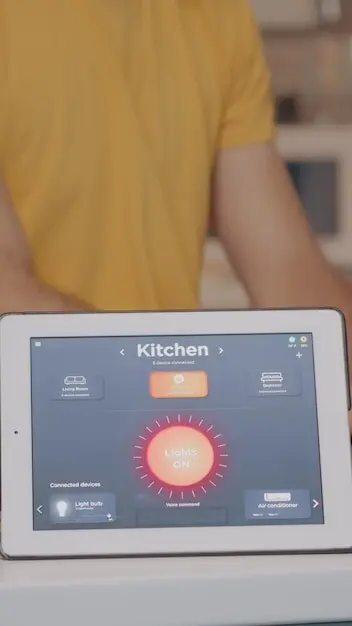
Technology should lighten the load, not multiply it. Choose a small, durable toolkit and let habits carry the rest. We’ll explore calendars, shared lists, voice assistants, and text templates that reduce decision fatigue, keep momentum during busy seasons, and fade into the background gracefully.
Pick one calendar, one list, and one notes app. Turn on shared spaces and archive everything else. Fewer taps equal faster coordination. Create templates for recurring events and checklists. When tools feel boring, you’re winning—they become dependable rails, not destinations themselves.
Use repeating reminders, grocery list integrations, and location-based nudges for pickups and drop-offs. Email rules can file school newsletters by child, surfacing deadlines before they bite. Automations don’t replace communication; they free attention for kindness, problem-solving, and the messy human parts that actually matter.
Write reminders as friendly prompts, not orders. Schedule them when the recipient can act, and attach links or photos so there’s nothing to hunt. For kids, pair alarms with visual cues on the fridge. Kindness boosts compliance more reliably than volume ever will.

Growing Capability in Kids and Adults Alike

Household systems are secret classrooms. When we scaffold tasks, offer choices, and praise effort, we build executive function for everyone. Mistakes become data, not drama. We’ll design supports that fade as skills grow, ensuring independence rises while connection remains strong through changing seasons.

Start Smaller Than You Think

Choose the smallest visible action that moves the task forward, then stop there. Fold only five shirts. Load just cutlery. Momentum, not magnitude, builds habits. Celebrate starts more than finishes. Confidence blooms when success is frequent and recovery from misses is quick and kind.

Hand Over the Pen

Let kids and partners record their own events and chores. Ownership grows when hands touch the plan. Offer coaching, not corrections, and resist fixing formatting. The goal is competence, not prettiness. Over time, that scribble becomes a map they trust and follow.

Meals, Errands, and the Supply Chain of Home

Feeding people and keeping essentials stocked become easier when tied to the calendar, not willpower. We’ll anchor menus to activity levels, batch routine errands, and build a pantry that flexes with surprises. Efficiency buys back evenings for conversation, homework help, and genuine rest.

Plan Backward from the Calendar

On late practice nights, plan a reheatable meal; on open evenings, cook something slower together. Add prep notes to events—‘marinate in morning,’ ‘defrost by noon.’ Integrating food with time prevents hungry chaos and reframes dinner as teamwork instead of solo heroics.

Shop with Constraints

Create a repeating essentials list and a weekly budget cap. Shop your pantry first, then the store. Choose one store day and one five-minute midweek top-up. Constraints reduce decisions, save money, and keep energy for cooking, conversations, and bedtime reading rituals that matter.

Prep Once, Rest Many Nights

Double batches when energy is high, label portions with dates, and freeze flat for faster thawing. Teach older kids to reheat safely. A small weekly prep session supplies future you with easy wins, protecting weeknights from takeout panic and last-minute cereal dinners.
Veltovarokento
Privacy Overview

This website uses cookies so that we can provide you with the best user experience possible. Cookie information is stored in your browser and performs functions such as recognising you when you return to our website and helping our team to understand which sections of the website you find most interesting and useful.